

Klaus Schmeh
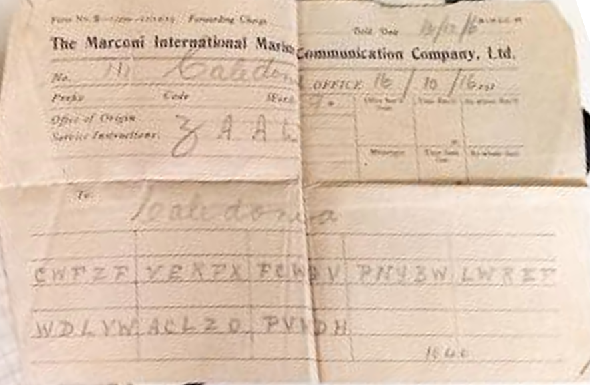
A telegram sent by a British colonel in 1916 still waits to be solved. The encryption method used might be a letter-pair substitution.
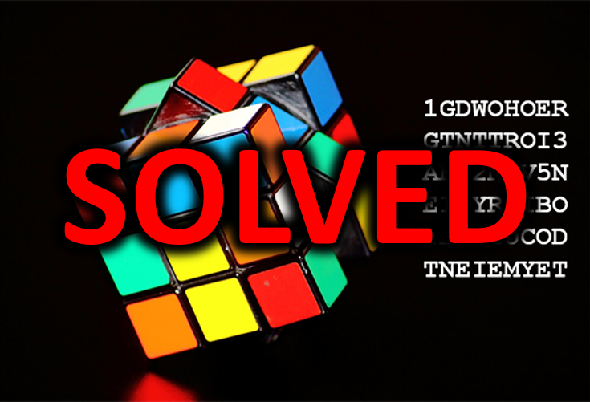
Blog reader Christoph Tenzer has solved the Rubik’s Cube challenge I introduced last October. His work is an amazing act of cryptanalysis.
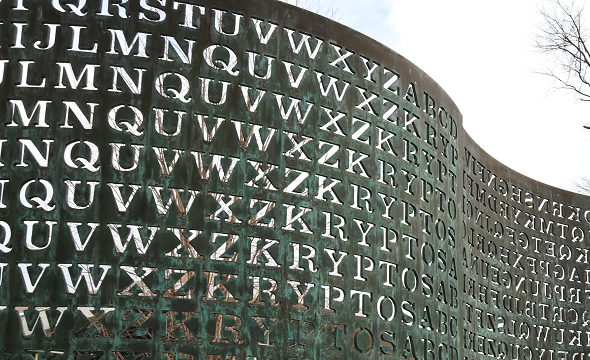
The encrypted inscription on the Kryptos sculpture is one of the most famous crypto mysteries in the world. Recently, a TV documentary about Kryptos was made. Here’s my making-of report.
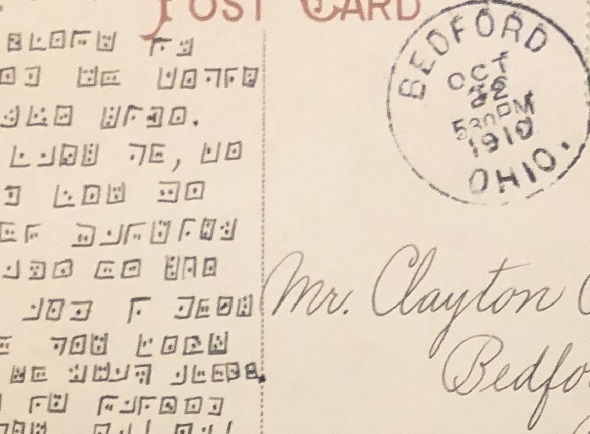
In 1910, a man living in Bedford, Ohio, received an encrypted postcard. Can a reader decipher it?

In 1909, a woman living in Toledo, Ohio, received an encrypted postcard. Can a reader decipher it?
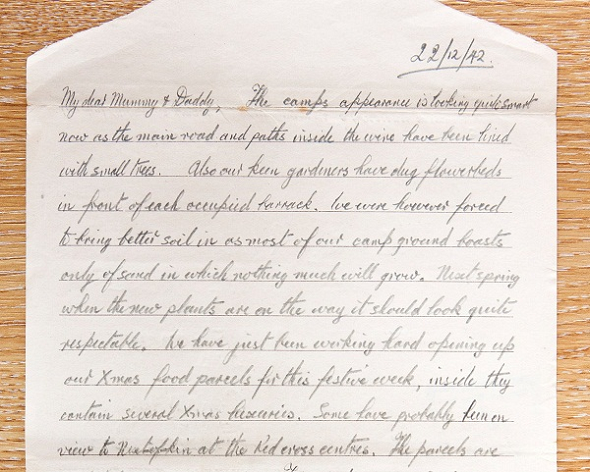
A few years ago, online magazine “Naked Security” ran a steganography competition. The participants had to hide a given message in an inconspicuous letter using a method developed by British cipher experts in WW2. The results were quite impressing. Can a reader do better anyway?
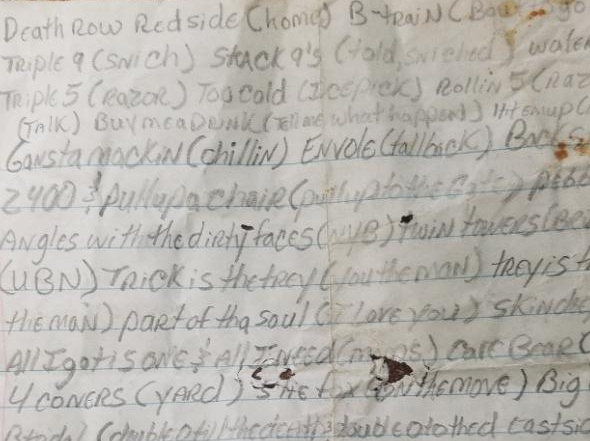
A Reddit user has posted scans of something that looks like a small codebook. It was found in a prison. Can a reader say more about it?
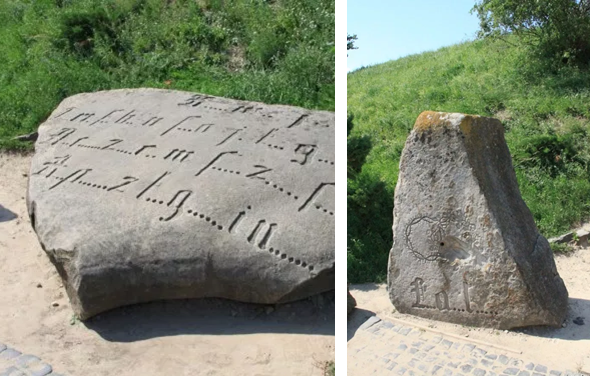
Alex from the Ukraine has provided me pictures that show two sculptures with an encrypted or abbreviated inscription. I have never seen anything like this before, let alone do I know what the inscriptions mean. Can a reader help?
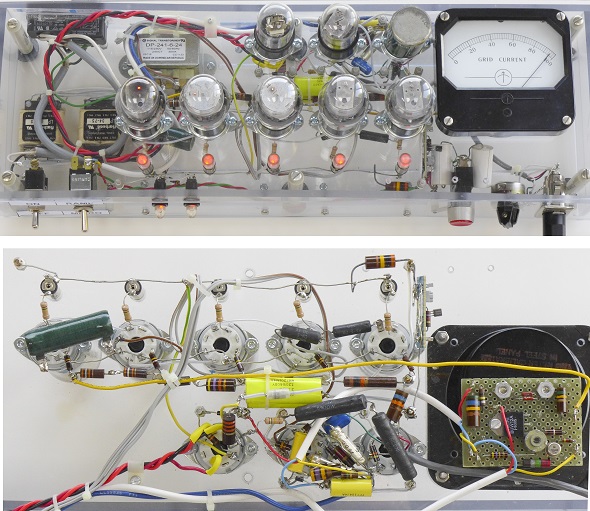
Electronic engineer Jon D. Paul has rebuilt the quantizer (analog to digital) of the legendary voice encryption machine SIGSALY.
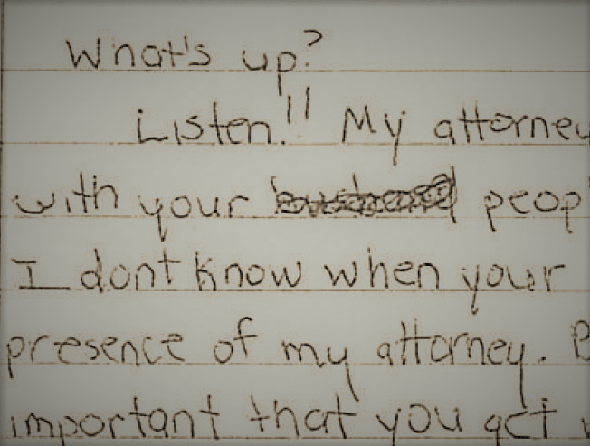
A US magazine has published a letter containing a hidden message written by a prison inmate. The message is given, but the method used has not been published. Can a reader solve this mystery?
Letzte Kommentare